
MANUFACTURER WATER TEST
Garage Flood Barrier Test: 1.9 m Water Depth for 48 Hours
A U.S. contractor requested evidence before ordering barriers for 78 garages. Eudore reports no observed leakage during a 48-hour test at 1.9 m water depth.
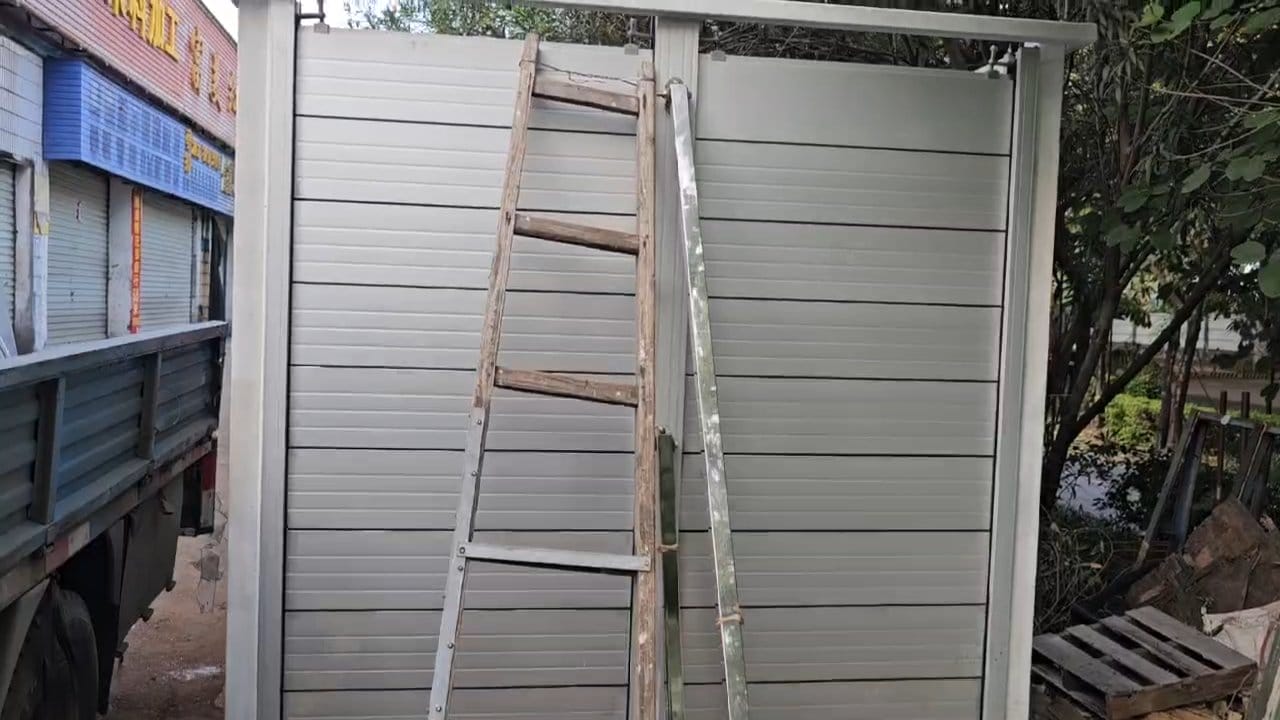
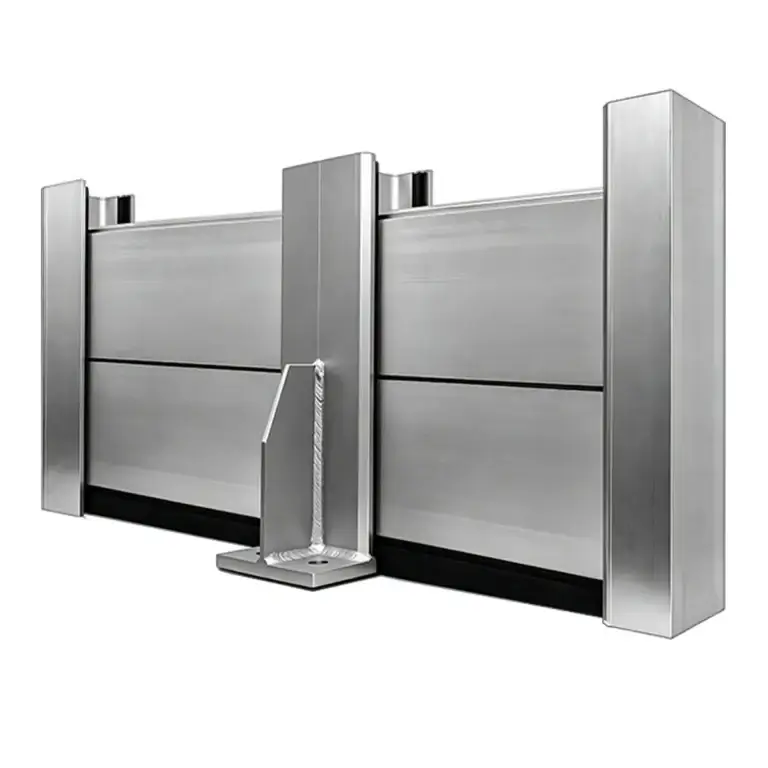
Eudore tested an aluminum garage flood barrier assembly at a water depth of 1.9 m for 48 hours and observed no leakage during the test. We carried out this manufacturer-run test for a U.S. general contractor considering flood barriers for 78 garage doors. Before placing an order, the contractor wanted evidence that the proposed system could hold back floodwater at a required height of 1.2 m.
The video was filmed on October 15, 2026. The setup used nine stacked aluminum panels, a total panel height of 1.98 m and a reported barrier length of 2.4 m. Below, we set out the configuration, the result and how a contractor can use that evidence when reviewing a garage flood-protection proposal.
Watch the Garage Flood Barrier Test Video
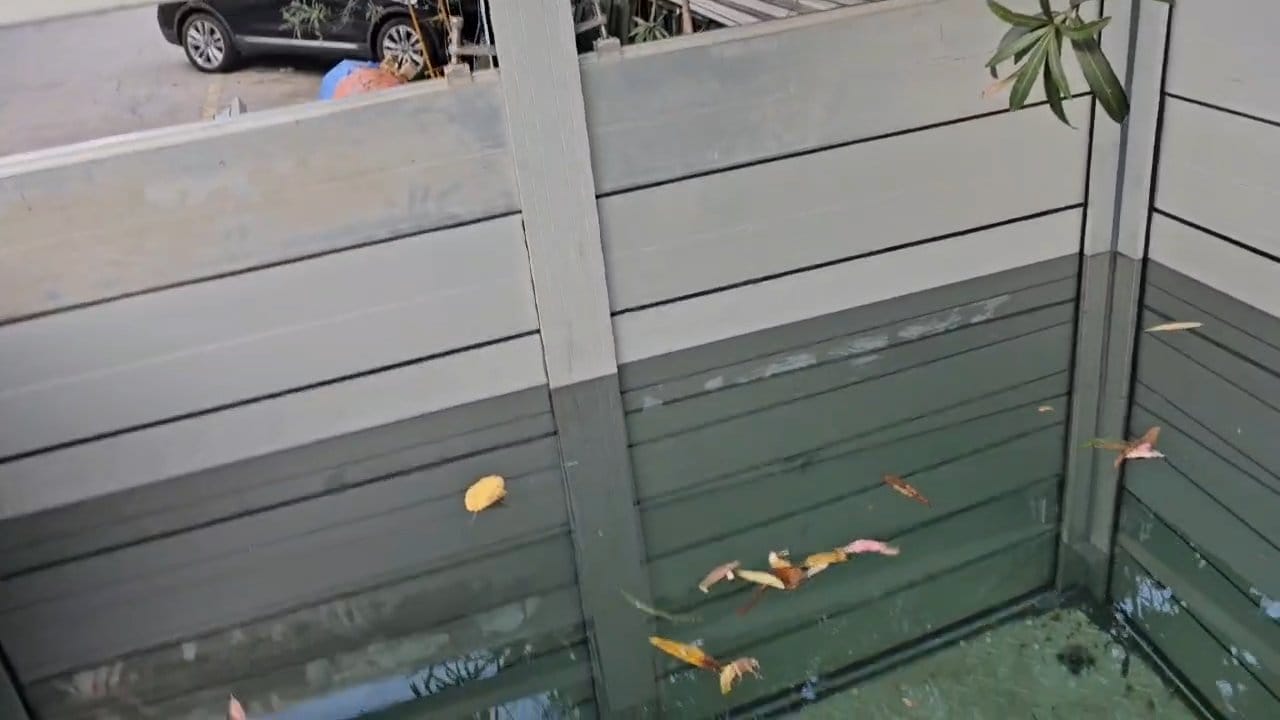
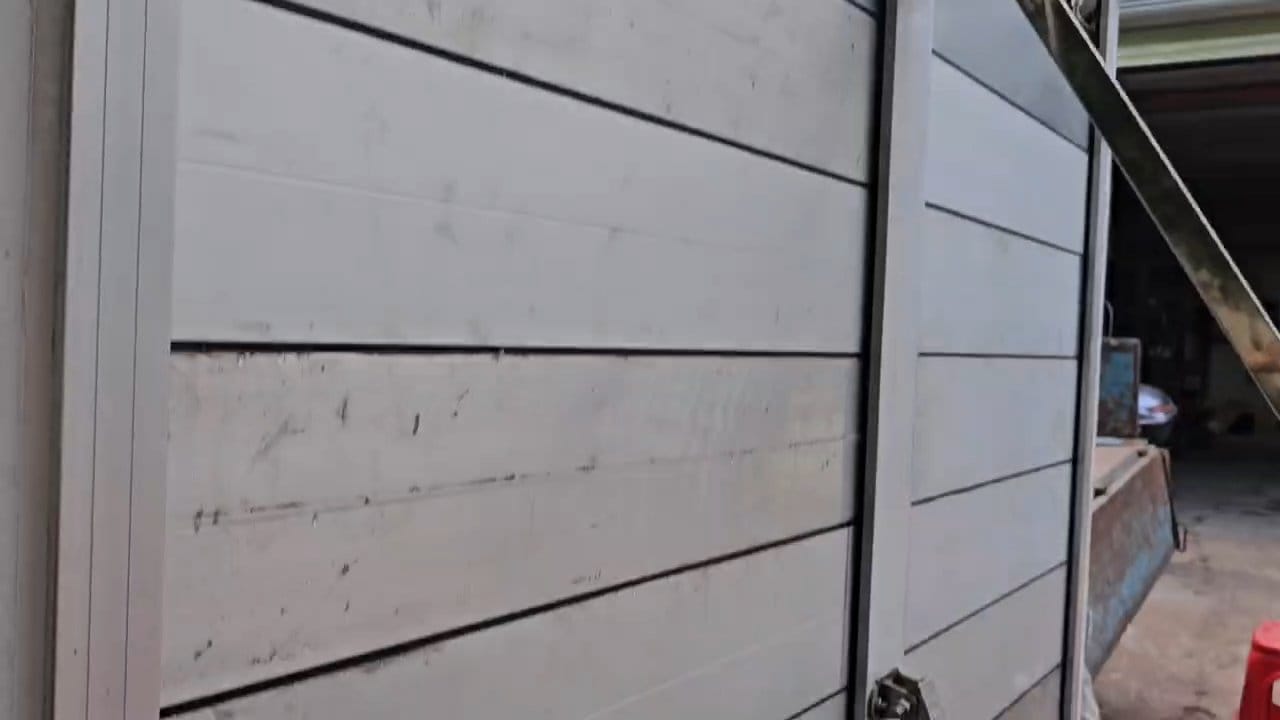
The footage shows the assembled aluminum barrier, water inside the enclosure, and close views of the panels and vertical posts.
The published clip is an excerpt of the test. The 1.9 m water depth, 48-hour duration and no-observed-leakage result are supplied by Eudore as the manufacturer’s account of the test.
Why a contractor planning 78 garage barriers asked for a test
A project involving 78 garage doors makes performance evidence part of the procurement decision. The contractor needed to assess whether Eudore’s system could meet a 1.2 m flood-protection requirement before committing to a purchase.
We responded by assembling the barrier and carrying out a water-retention test. This gave the contractor a physical setup and a recorded outcome to review alongside the proposed dimensions. The inquiry concerns 78 garage openings; this article documents the pre-order test stage.
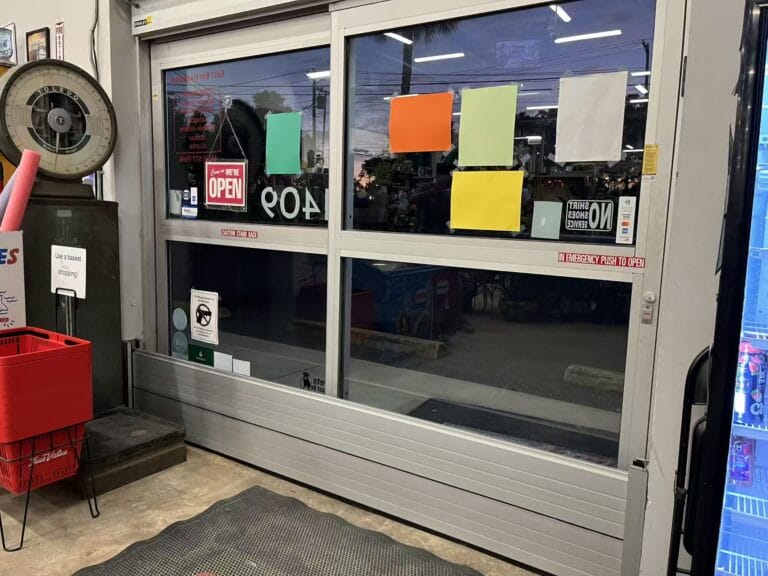
Contractors can review our garage door flood barriers for opening measurements, mounting options and everyday vehicle access before preparing a multi-garage proposal.
The assembly used in the water-retention test
The following details identify the tested setup. The 2 mm aluminum wall thickness and the 50 mm profile cross-sectional width describe separate dimensions.
| Test item | Recorded detail |
|---|---|
| Video filming date | October 15, 2026 |
| Contractor’s required flood-protection height | 1.2 m, approximately 3.94 ft |
| Number of stacked panels | 9 |
| Total panel stack height | 1.98 m, approximately 6.50 ft |
| Test water depth | 1.9 m, approximately 6.23 ft |
| Reported barrier length | 2.4 m, approximately 7.87 ft |
| Aluminum profile cross-sectional width | 50 mm, approximately 1.97 in |
| Aluminum wall thickness | 2 mm, approximately 0.079 in |
| Water-retention period | 48 hours |
| Manufacturer’s observation | No leakage observed during the test |
The actual test water depth of 1.9 m exceeded the contractor’s requested 1.2 m protection height. The panel stack stood 1.98 m high. Keeping these values separate makes the test easier to assess and compare with a proposed installation.
For projects considering a taller system, our aluminum flood barriers up to 2 meters page introduces the available height range and configuration review. Confirm the quoted panel profile, posts and supports for your project; the dimensions above identify this particular test assembly.
What we observed over 48 hours
After adding water, we retained it at a reported depth of 1.9 m for 48 hours. During that period, we observed no leakage through the tested assembly. This is the result we report for the configuration described above.
The evidence gives a buyer specific facts to examine: the assembled barrier, the water-facing side, panel and post details, the supplied dimensions and the reported retention period. Together, they provide a practical basis for discussing the product’s sealing performance with the manufacturer.
This result comes from Eudore’s own test. Our technical resources also provide access to other published documents. Each document should be matched to its own sample, method and configuration when used in a project review.
How the test supports a 78-garage procurement review
The next step is to match the proposed garage systems to the test evidence. An opening schedule should identify the clear width, required protection height, mounting surfaces and any changes in support arrangement for each garage. A different opening or fixing condition may require a different configuration.
For this inquiry, the contractor can compare the 1.2 m project requirement with the reported 1.9 m test water depth, then review the proposed panels, posts, seals and fixing details. The recorded test is one part of that review. The actual garage walls, thresholds and installation details must also be considered.
Eudore’s installation manual covers component checks, post installation, floor preparation and panel deployment. Contractors can use it to prepare the installation questions for their own garage openings.
Request evidence for your proposed flood barrier
If you are comparing suppliers for a garage or multi-opening project, ask for the test configuration as well as the headline result. Useful details include the water depth, retention period, panel dimensions, aluminum wall thickness and support arrangement. Our aluminum flood barrier quality guide explains how to review those records.
Eudore / Flood Barrier Store is the brand of Shenzhen Aodeke Optoelectronics Co., Ltd., a manufacturer based in Shenzhen, China. For this contractor’s inquiry, we supported the product discussion with an assembled water test, video footage and a stated result.
For a project that also includes front doors, patio openings or business entrances, explore our custom aluminum flood barriers for homes and entrances to discuss the different opening types in one proposal.
Send Eudore your opening schedule, target flood height and site photos to discuss a configuration and the test documentation relevant to your project. For a larger garage-door package, include the number of openings and any differences in width, walls, thresholds or daily access.
Continue your research
Related flood protection reading.
Read a connected guide, comparison or project insight before choosing a protection route.
Get a custom recommendation
Tell us about the opening you need to protect.
Share the opening type, clear width, target flood height and photos. The team will review the details before recommending a configuration.