
PLANNING A FLOOD BARRIER PURCHASE
Are Flood Barriers Worth It for Shallow Flooding?
A purchase makes more sense when its task is clear. Define the flood scenario, the opening it addresses and the work needed before comparing the price with a possible avoided loss.
LOCAL MARKUP PREVIEW — NOT WORDPRESS RUNTIME
Are Flood Barriers Worth It for Shallow Flooding?
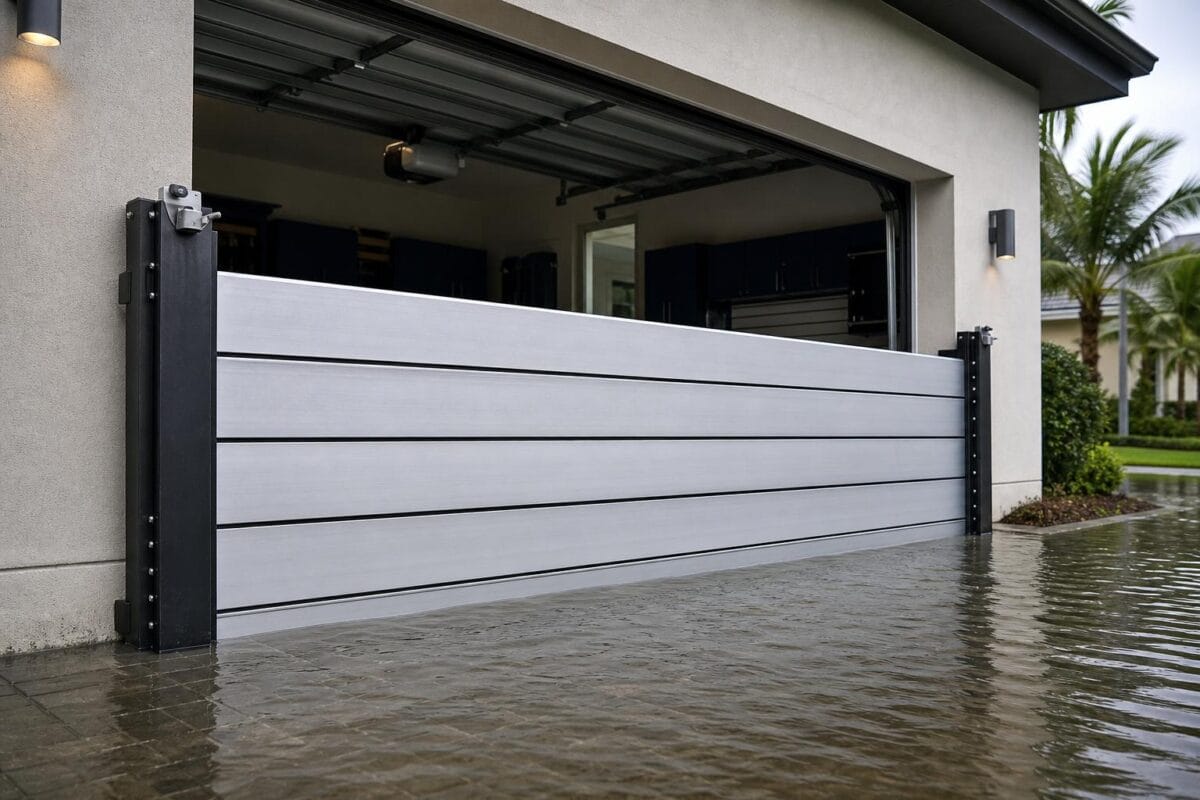
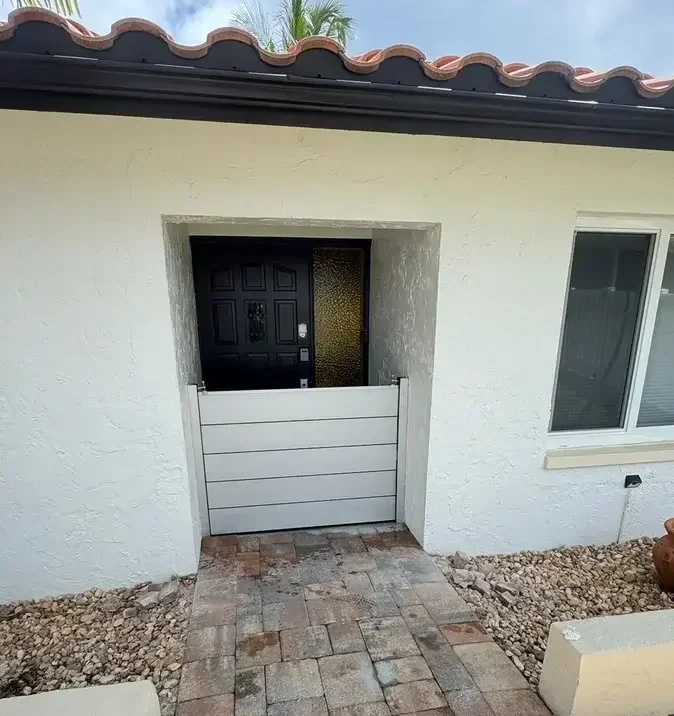
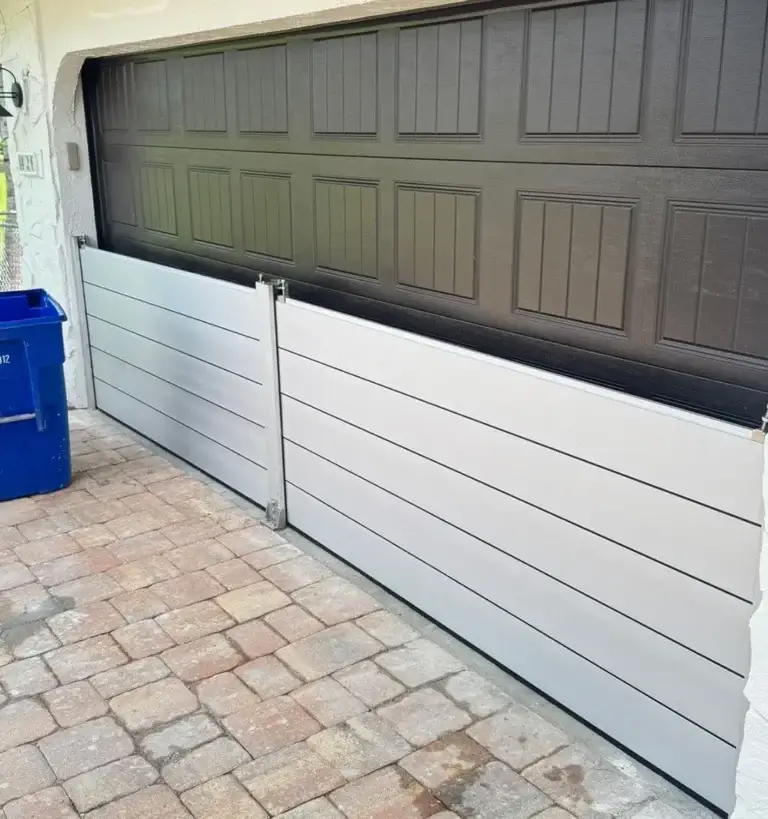
A flood barrier can be worth considering for shallow flooding when it addresses a confirmed water-entry route, fits the building and can be deployed before water arrives. A few inches of water outside a door, or a large repair bill from a previous storm, cannot establish its value on their own. The purchase needs to solve a defined problem rather than promise that the whole house will stay dry.
That distinction comes up in a public St. Petersburg homeowner discussion. The poster was weighing a historical $6,000 quotation against the possibility of limiting damage from a smaller flood. That is one person’s quotation for another supplier’s proposal, not an Eudore price or a market benchmark. The useful buying question is what the proposed work would change at that particular property.
Describe the event you want to prepare for
Start with a short written scenario: which entrance water reaches, how high it rises relative to the threshold, how long it remains and how much warning is available. Separate observations from assumptions. A photograph of the last water mark is useful context, but it does not set the maximum level of a future flood.
For scale, 6 inches is 152.4 mm. That conversion helps communicate a measurement; it is not a recommendation for a barrier height or an acceptable water load. Even a relatively shallow event needs an appropriate configuration and a review of the surrounding building.
The NFIP’s flood-risk guidance considers the property’s elevation, nearby flood sources and building characteristics. It also identifies raising vulnerable equipment as one mitigation option. This is a reason to compare measures against the same problem, rather than assume the most visible product is the first purchase to make.
Identify the damage the purchase might actually reduce
Walk through the proposed protected area. What is at floor level: stored belongings, cabinets, wall finishes or equipment? Which items could be relocated or raised without changing the building? Obtain realistic repair or replacement estimates where needed, rather than borrowing a national damage headline.
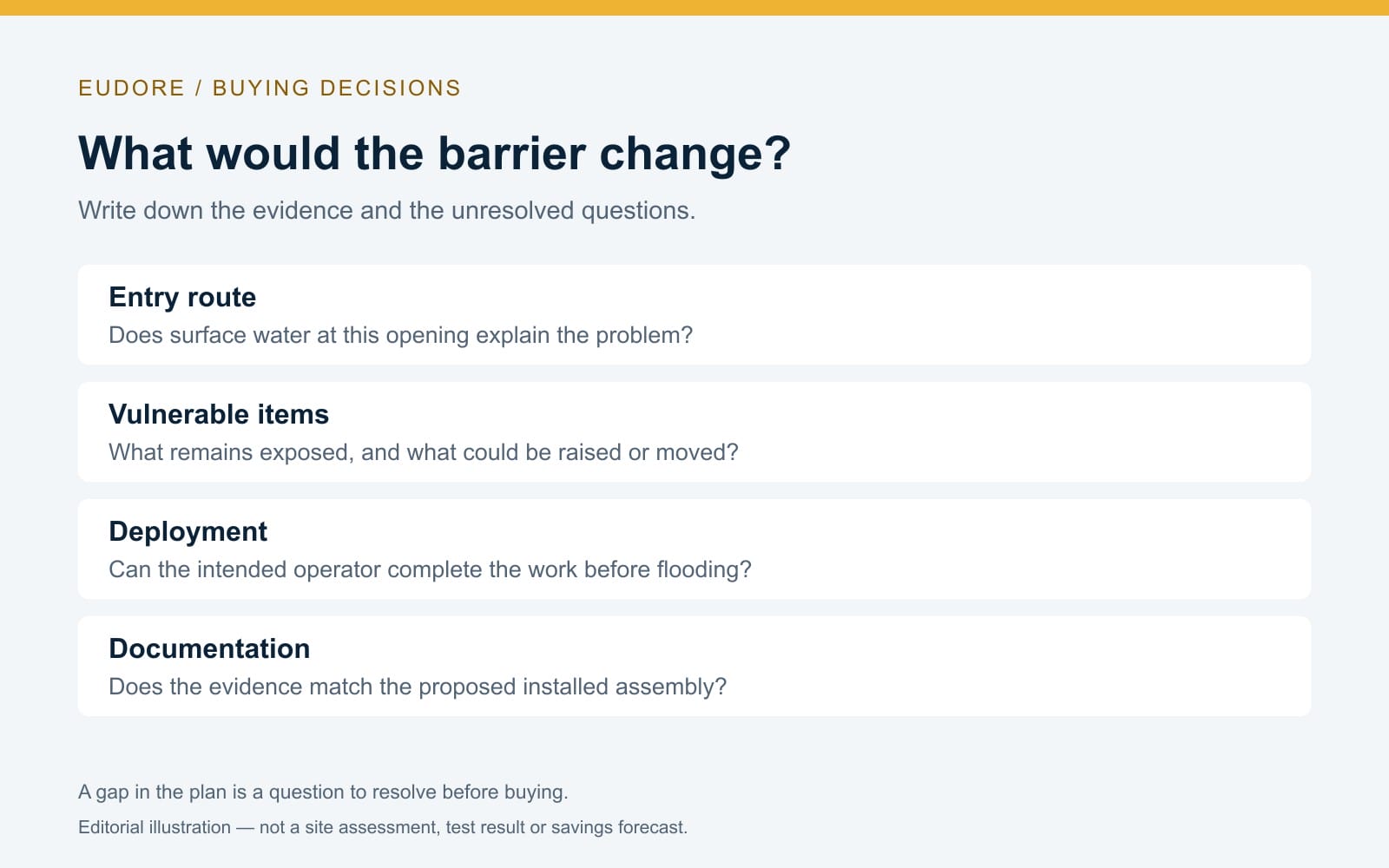
Then ask whether keeping surface water out at the selected opening would materially change that exposure. If the previous water came through a drain, buying a door barrier does not close that pipe. Our guide to barriers and sewer backflow explains that separate route. Walls, floors and water collecting behind the barrier also need their own assessment.
This does not make opening protection pointless. It defines the part of the problem it can address. A sensible proposal should identify both that contribution and the remaining exposure.
Include the work needed to make the equipment usable
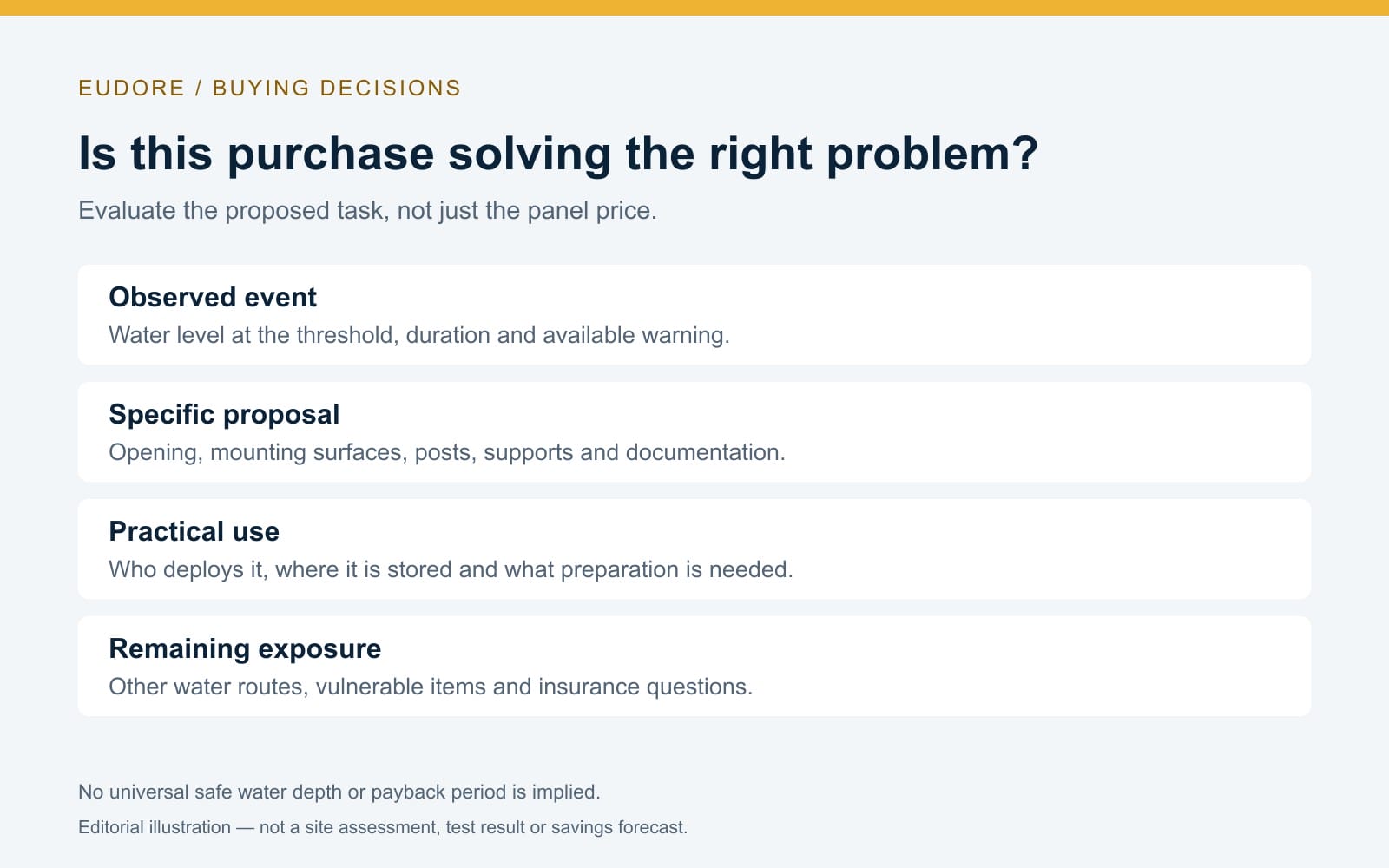
The invoice for the barrier is only one document in the decision. Record site preparation, installation, storage, inspections and likely replacement parts alongside it. Confirm the actual supply and delivery terms in the quotation. This article does not assign a universal installed price.
For a manual system, identify who will deploy it when the property is unoccupied or the usual helper is away. Check that the panels can be reached without moving a vehicle or clearing a packed storage room. The Eudore installation manual separates initial installation from later plank deployment. Its instructions are system-specific; they do not replace a plan for a different product.
A deployment rehearsal before storm season can reveal practical problems. It does not reproduce flood loading or establish watertightness. Do not use a garden-hose demonstration as proof that an assembly will resist a specified flood depth.
Do not turn one possible avoided loss into guaranteed payback
A previous repair bill is an account of what happened. A future saving depends on whether a similar event occurs, whether the system is deployed correctly, whether the proposed arrangement performs as documented and whether other water routes remain. Dividing a purchase price by that old bill does not answer those questions.
Keep insurance in the discussion separately. NFIP guidance notes that most homeowners insurance excludes flood damage. Ask your insurer about your actual policy and proposed mitigation work; do not assume a barrier earns a premium discount or replaces coverage.
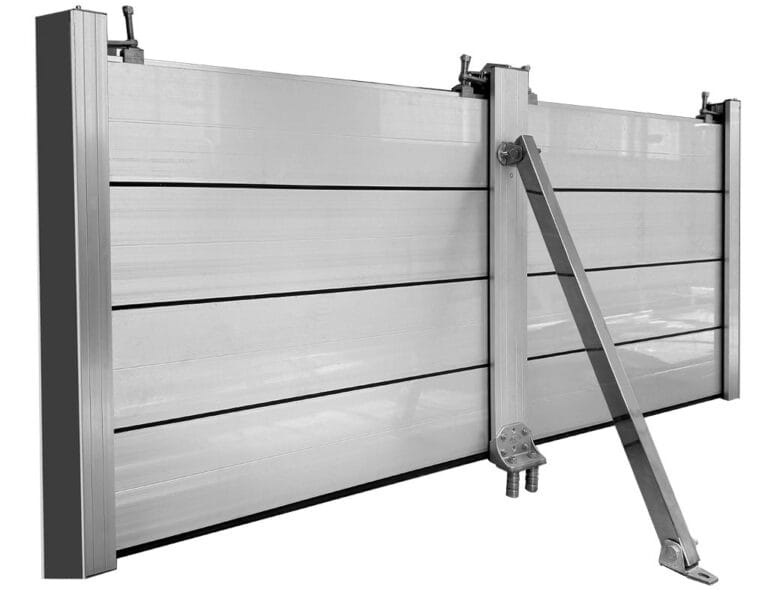
Before committing, request documentation for the proposed dimensions, posts, supports and fixings. Our barrier quality guide sets out the evidence to request. If the entry route, site requirements or deployment plan remain unresolved, resolve those gaps before treating the purchase as an avoided-loss calculation.
For an Eudore opening review, send the opening dimensions and photographs, the water levels you have actually observed and the mounting constraints. We can discuss the proposed barrier configuration and applicable product documents. Building assessment, emergency planning and insurance decisions still need the appropriate local professionals.
Continue your research
Related flood protection reading.
Read a connected guide, comparison or project insight before choosing a protection route.
Get a custom recommendation
Tell us about the opening you need to protect.
Share the opening type, clear width, target flood height and photos. The team will review the details before recommending a configuration.