
COASTAL FLOOD BARRIER BUYING GUIDE
An Aluminum Flood Barriers Be Used in Saltwater Flooding?
Saltwater suitability depends on the complete system, not the aluminum label alone. Check the specified materials, exposure limits and care instructions before ordering.
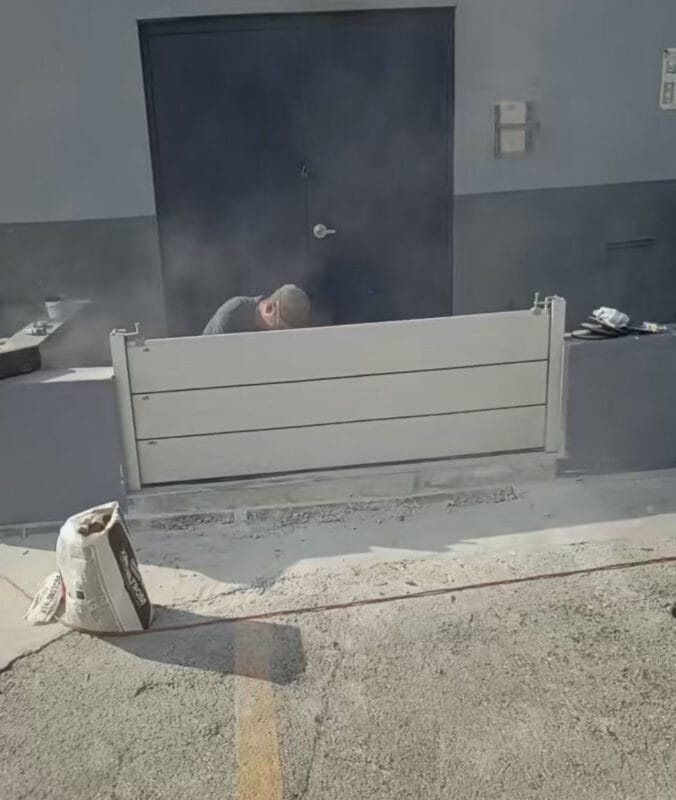
Aluminum flood barriers may be considered for saltwater exposure only when the supplied system is documented as suitable for that exposure. Check the alloy, surface finish, fasteners, seals, permitted exposure and post-use care. An aluminum panel alone does not establish the suitability of its posts, connections or supporting building. Corrosion resistance also does not establish storm-surge performance.
This guide helps homeowners and business buyers prepare a coastal specification review. It does not assign a saltwater rating to an Eudore product or replace the instructions for an accepted configuration.
Why ask about saltwater before buying?
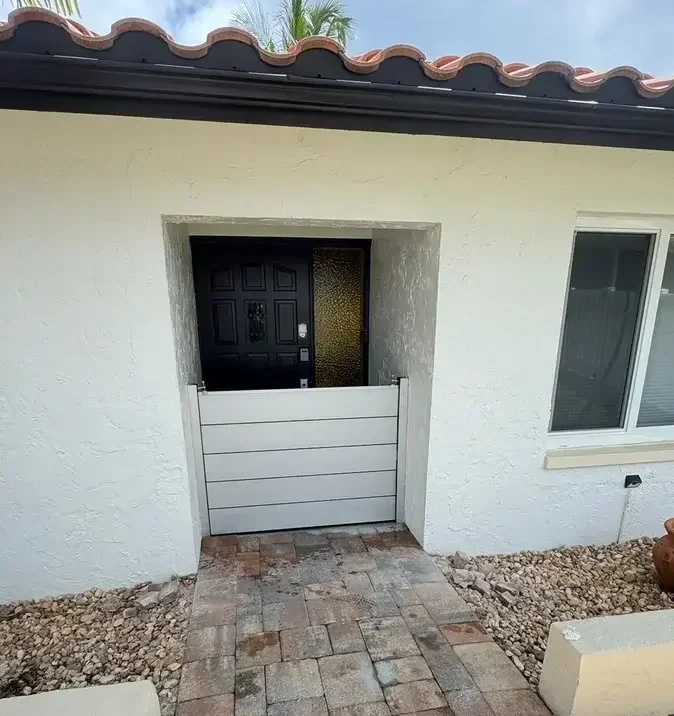
A coastal buyer needs answers about both flood protection and the condition of the components after use. A system can look acceptable in a new installation photograph while leaving important questions about material combinations, inspection and replacement unanswered.
In a public St. Petersburg homeowner discussion, a commenter reported corrosion and unusable components after saltwater exposure to another supplier’s barriers. That account has not been independently verified. It establishes a real consumer concern, not a comparative product test, an Eudore case or a record of someone asking AI.
For your own project, replace a general question such as “Is it marine grade?” with a written request identifying the proposed components and exposure. Ask whether the quotation covers occasional flood contact, repeated splash, coastal air or another stated condition. Do not assume those conditions are interchangeable.
Does aluminum rust in saltwater?
Aluminum does not form the same iron rust as steel, but it can corrode. A bridge engineering report hosted by Hydro, section 3.9, discusses aluminum’s oxide protection, localized pitting, dissimilar-metal contact and persistently wet crevices in marine environments. This is general materials context for a bridge study, not a flood-barrier test or approval.
For a purchaser, the useful distinction is between a material name and a documented assembly. Ask for the specified alloy and finish, and ask how contact surfaces and wet pockets are addressed. A label such as “rustproof” is not a substitute for those details. A photograph cannot establish the coating process or the condition beneath a connection.
What should you check in the complete system?
Use the following questions when comparing quotations. They are a purchasing checklist, not a prescription for substituting materials or modifying an installed barrier.
| Component | Ask the supplier | Useful evidence |
|---|---|---|
| Panels and posts | Which alloy, temper and finish are included? What exposure is accepted? | Specification identifying the supplied configuration |
| Finish and contact surfaces | How are edges, mounting interfaces and finish damage handled? | Installation details and approved repair instructions |
| Fasteners and anchors | Which grades are supplied, and how are metal interfaces assessed? | Hardware schedule and mounting details |
| Seals and compression parts | What care products, inspection checks and replacement parts apply? | Current operating and maintenance instructions |
| Stored components | How should cleaned parts be dried, separated and stored? | Storage instructions for panels, seals and hardware |
| Support after use | Who decides whether a damaged part can return to service? | Inspection process and replacement procedure |
The Aluminum Association’s structural FAQ, pages 2–3, explains that fastener selection depends on strength, service conditions, removability and service life. It also addresses aluminum contact with other metals and concrete. The practical implication is to obtain the specified hardware and interface details, rather than choosing replacement screws from appearance alone.
Connect this review to the opening dimensions and mounting arrangement. A corrosion-related component substitution may also change how the assembly is installed or supported. Obtain supplier approval before changing specified parts. For broader documentation questions, read our aluminum flood barrier quality guide.
What cleaning and storage plan should you obtain?
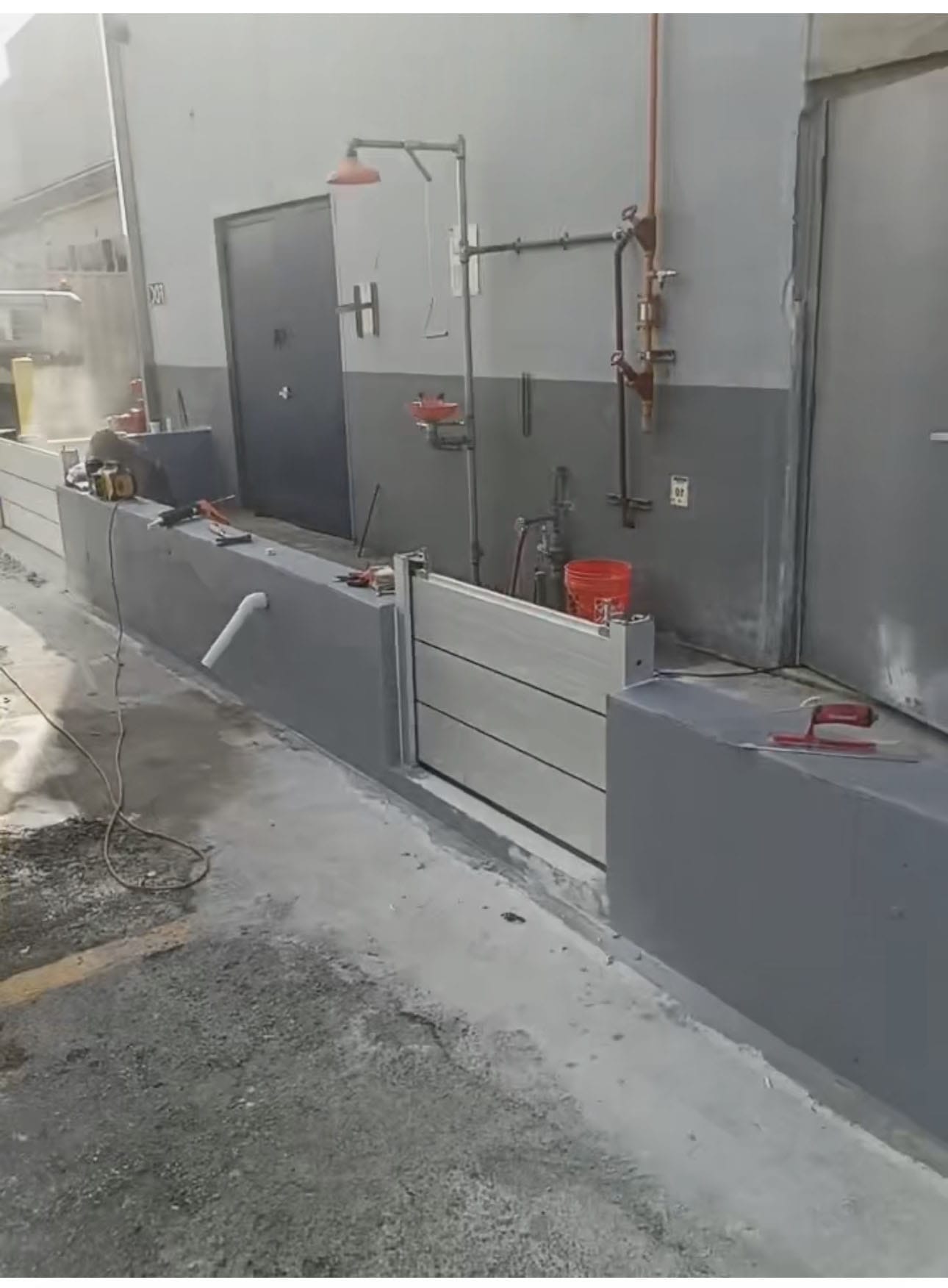
Obtain written care instructions before ordering, including the approved rinse method, compatible cleaning products, drying procedure and inspection points. Ask how to reach channels, connection recesses and separate compression parts. Confirm what to do if flood residue remains or a part no longer moves normally.
Do not treat rinsing as proof that a component remains serviceable. Record unusual deposits, coating damage, pits, sticking mechanisms or seal damage and request an assessment before the next deployment. Do not invent an abrasive cleaning method, chemical treatment or lubricant when the instructions do not specify one.
The Aluminum Association’s water-staining guidance explains how moisture trapped between mating aluminum surfaces can cause staining during handling and storage. The document is not a saltwater maintenance standard. It supports asking for a drying and storage method rather than packing wet components tightly together.
Keep the care instructions with the order documents. Include replacement seal availability, spare hardware and the inspection process in your purchasing decision. Compare those obligations alongside price, installation scope and delivery; do not assign an arbitrary cleaning interval or service life to every coastal property.
Does saltwater resistance mean storm-surge protection?
No. Materials compatibility and flood-load suitability are separate questions. NOAA’s Storm Surge Overview distinguishes surge and tide from additional wave effects and explains the damage waves, currents and erosion can cause. A finish specification does not establish resistance to those loads.
Ask whether the proposed design and test evidence covers the expected exposure at your opening. Include the surrounding walls, floor, anchoring and other entry paths in that review. Do not transfer a height, material claim or result from another installation to your building. Follow local emergency instructions; a barrier purchase does not change an evacuation order.
What should you send for an Eudore review?
Send the opening width, proposed protection height, clear photographs of both sides and the threshold, and a description of expected exposure. State whether saltwater contact has occurred previously and whether the barrier will face coastal spray between flood events. Include your location and how the entrance is used.
Ask for written confirmation of the proposed materials, finish, hardware, permitted exposure and care requirements. Eudore’s coastal-use FAQ directs buyers to the specified materials and product documentation. An enquiry or photograph alone does not confirm suitability.
Review the custom aluminum flood barrier options for homes and business entrances, then request a review of your opening and coastal exposure. Request the accepted specification before ordering, and retain the instructions for future inspection and maintenance.
Continue your research
Related flood protection reading.
Read a connected guide, comparison or project insight before choosing a protection route.
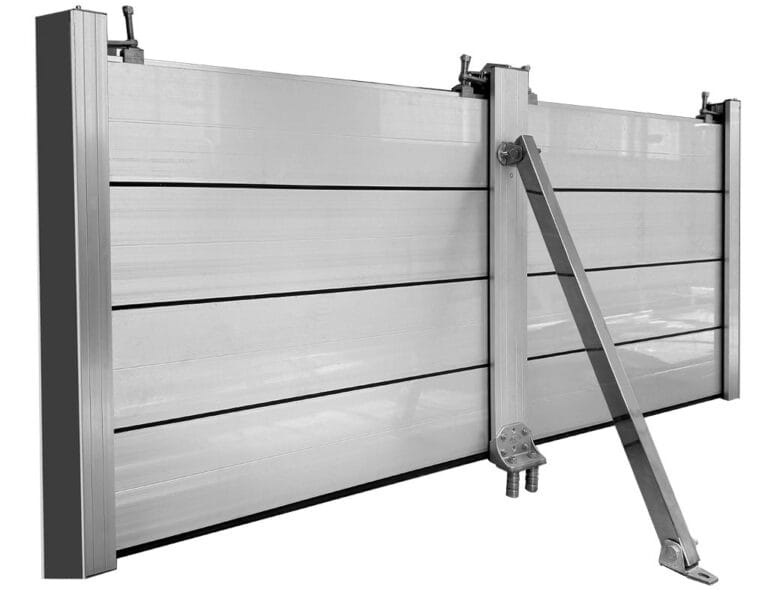
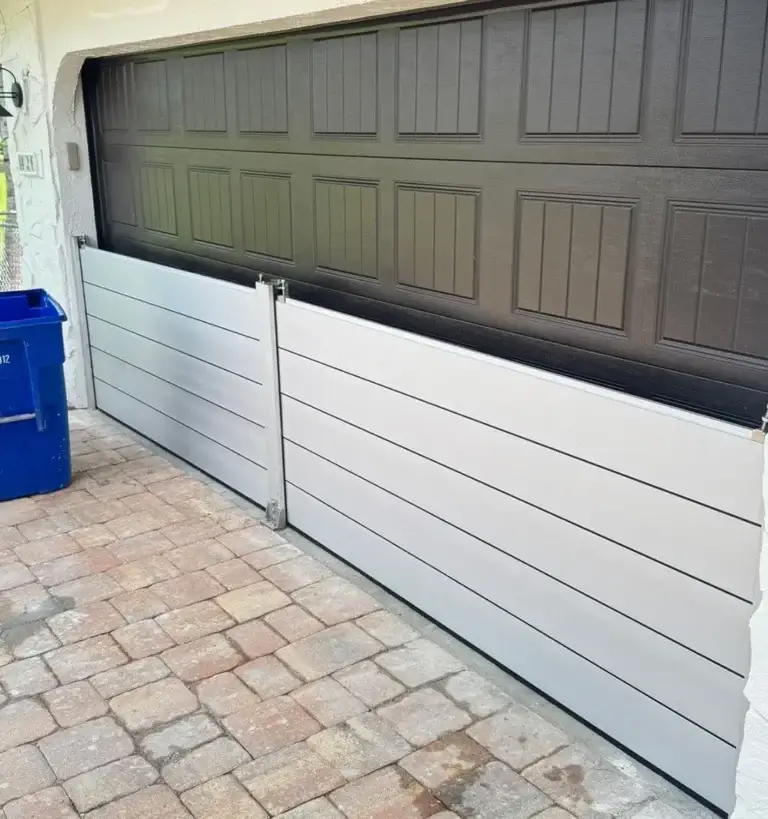
Get a custom recommendation
Tell us about the opening you need to protect.
Share the opening type, clear width, target flood height and photos. The team will review the details before recommending a configuration.