
Flood Barrier
How to Choose the Right Flood Barrier for Your Home
Choosing the right flood barrier for your home is crucial to protect your property from water damage. The best solution depends on factors like your location, flood risk, budget, and the specific vulnerabilities of your home. Here’s a step-by-step guide to help you make an informed decision:

1. Assess Your Flood Risk
- Flood Zone: Check if your home is in a high-risk flood zone using local flood maps (e.g., FEMA flood maps in the U.S.).
- Historical Data: Research past flood events in your area to understand the severity and frequency of flooding.
- Climate Trends: Consider how climate change might increase flood risks in the future.
2. Identify Vulnerable Areas
- Entry Points: Determine where water is most likely to enter your home (e.g., doors, windows, garage, basement).
- Water Sources: Identify nearby water bodies, drainage systems, or slopes that could contribute to flooding.
3. Understand Types of Flood Barriers
- Permanent Barriers:
- Flood Walls: Solid walls built around your property to block water.
- Levees and Berms: Raised earth structures to divert or contain floodwaters.
- Temporary/Deployable Barriers:
- Sandbags: Traditional and low-cost but labor-intensive and less effective for large floods.
- Inflatable Barriers: Quick to deploy and effective for short-term protection.
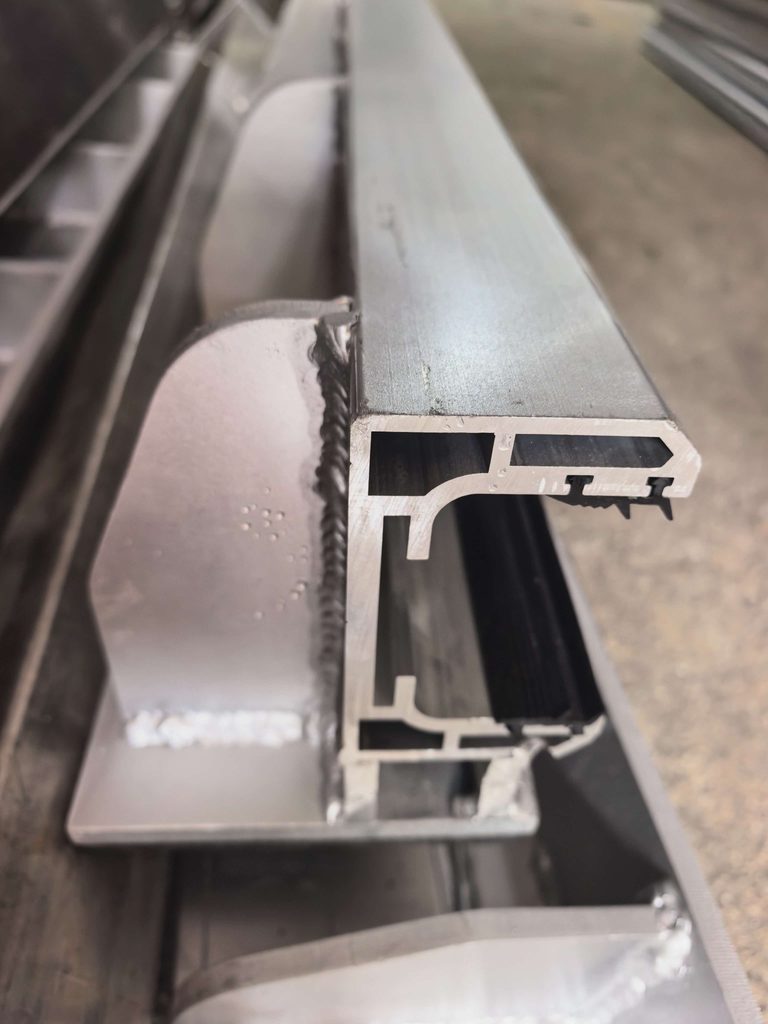
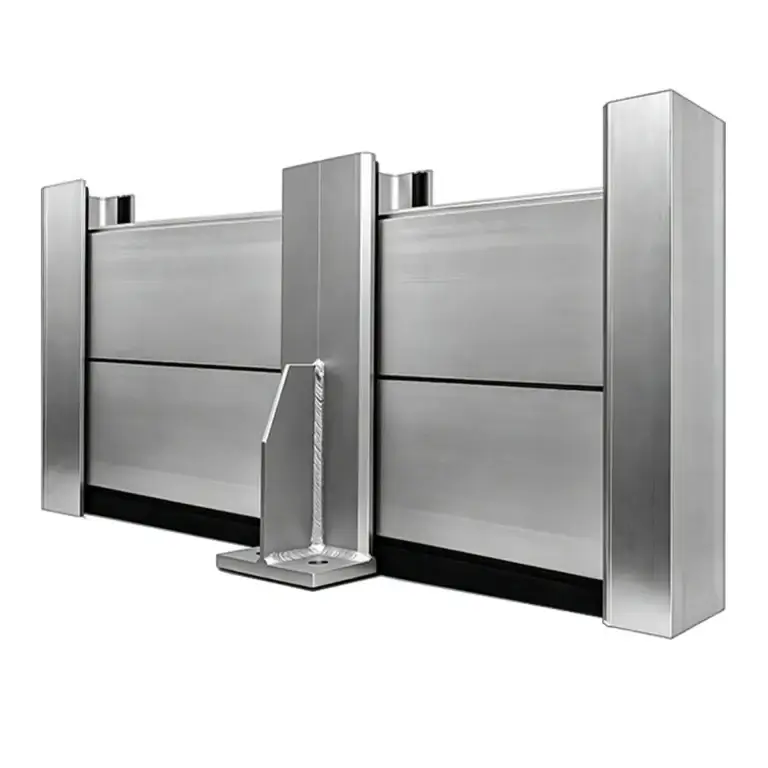
- Modular Flood Panels: Lightweight, interlocking panels that can be assembled as needed.
- Door and Window Barriers:
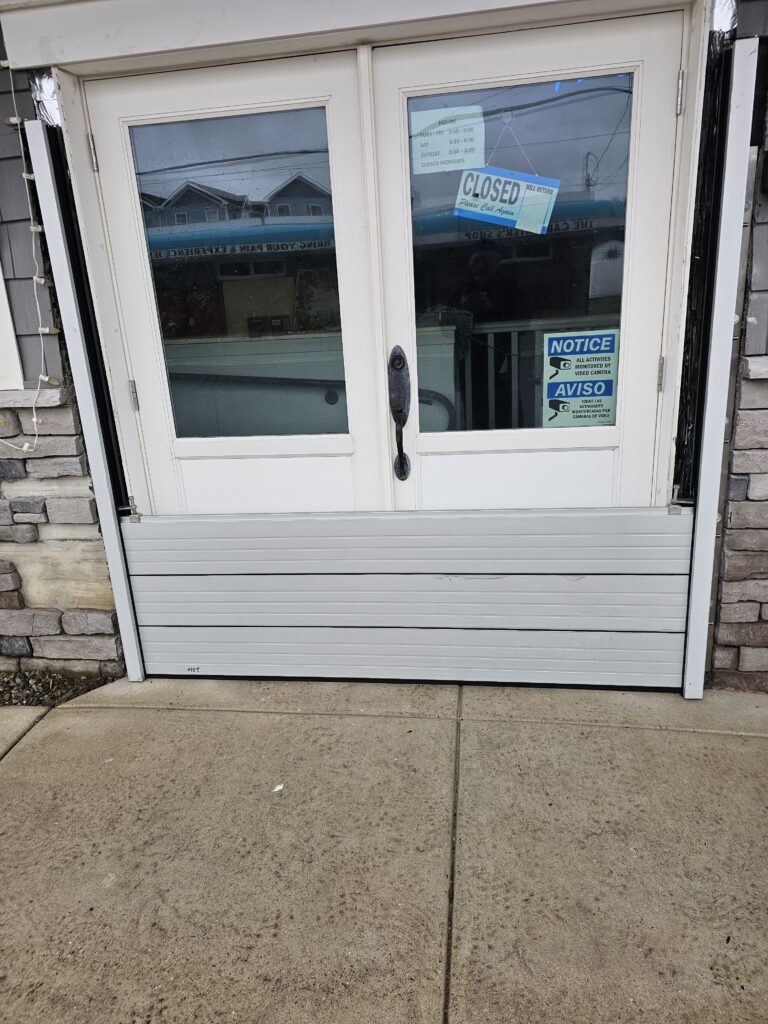
- Flood Shields: Metal or acrylic panels that fit over doors and windows.
- Flood Gates: Self-closing barriers that activate when water levels rise.
4. Consider Ease of Installation and Use
- Permanent Solutions: Require professional installation but offer long-term protection.
- Temporary Solutions: Easy to install and remove but may require advance warning of flooding.
- Automated Systems: Self-activating barriers (e.g., flood gates) are convenient but may be more expensive.
5. Evaluate Cost and Durability
- Budget: Compare the upfront and maintenance costs of different barriers.
- Lifespan: Permanent barriers are more durable but costlier, while temporary barriers are affordable but may need replacement.
- Material Quality: Choose barriers made from durable, weather-resistant materials like aluminum, acrylic, or reinforced plastics.
6. Check Compatibility with Your Home
- Aesthetics: Ensure the barrier doesn’t negatively impact your home’s appearance (especially for permanent solutions).
- Structural Integrity: Verify that your home can support the weight and installation of the barrier.
- Accessibility: Ensure barriers don’t block essential entry points or emergency exits.
7. Look for Certification and Standards
- Compliance: Choose barriers that meet local building codes and flood protection standards.
- Testing: Opt for products tested and certified by recognized organizations (e.g., BSI Kitemark in the UK).
8. Plan for Maintenance
- Inspection: Regularly check permanent barriers for damage or wear.
- Storage: Store temporary barriers in an accessible location for quick deployment.
- Cleaning: Clean and maintain barriers after each use to ensure longevity.
9. Consult Professionals
- Flood Risk Assessors: Hire experts to evaluate your home’s specific needs.
- Contractors: Work with experienced contractors for installation of permanent barriers.
- Insurance Providers: Check if your flood insurance policy offers discounts for installing certified flood barriers.
10. Combine Solutions for Maximum Protection
- Use a combination of permanent and temporary barriers to address different flood scenarios.
- Pair barriers with other flood-proofing measures like sump pumps, backflow valves, and elevated utilities.
Popular Flood Barrier Options for Homes:
- For Doors: Flood gates, door barriers, or sandbags.
- For Windows: Acrylic flood shields or storm shutters.
- For Garages: Inflatable barriers or modular panels.
- For Basements: Sump pumps and waterproofing systems.
By carefully evaluating your needs and the available options, you can choose the right flood barrier to safeguard your home and family from the devastating effects of flooding.
Continue your research
Related flood protection reading.
Read a connected guide, comparison or project insight before choosing a protection route.
Get a custom recommendation
Tell us about the opening you need to protect.
Share the opening type, clear width, target flood height and photos. The team will review the details before recommending a configuration.