
Flood Barrier
Flood Protection for Urban Entrances and Properties
Urban areas are increasingly vulnerable to flooding due to climate change, urbanization, and aging infrastructure. Innovative flood protection solutions are essential to mitigate risks and enhance resilience. Here are some cutting-edge approaches:

—
### 1. **Green Infrastructure**
– **Rain Gardens and Bioswales**: These are designed to capture and filter stormwater, reducing runoff and preventing flooding.
– **Green Roofs**: Vegetated rooftops absorb rainwater, reduce runoff, and provide insulation.
– **Permeable Pavements**: Allow water to seep through surfaces, reducing surface runoff and replenishing groundwater.
—
### 2. **Smart Flood Monitoring and Early Warning Systems**
– **IoT Sensors**: Deploy sensors to monitor water levels, rainfall, and weather conditions in real time.
– **AI-Powered Predictive Models**: Use machine learning to predict flood risks and optimize response strategies.
– **Mobile Alerts**: Send real-time warnings to residents and authorities via smartphones.
—
### 3. **Modular and Deployable Barriers**
– **Inflatable Flood Barriers**: Quick-to-deploy barriers that can be inflated during emergencies.
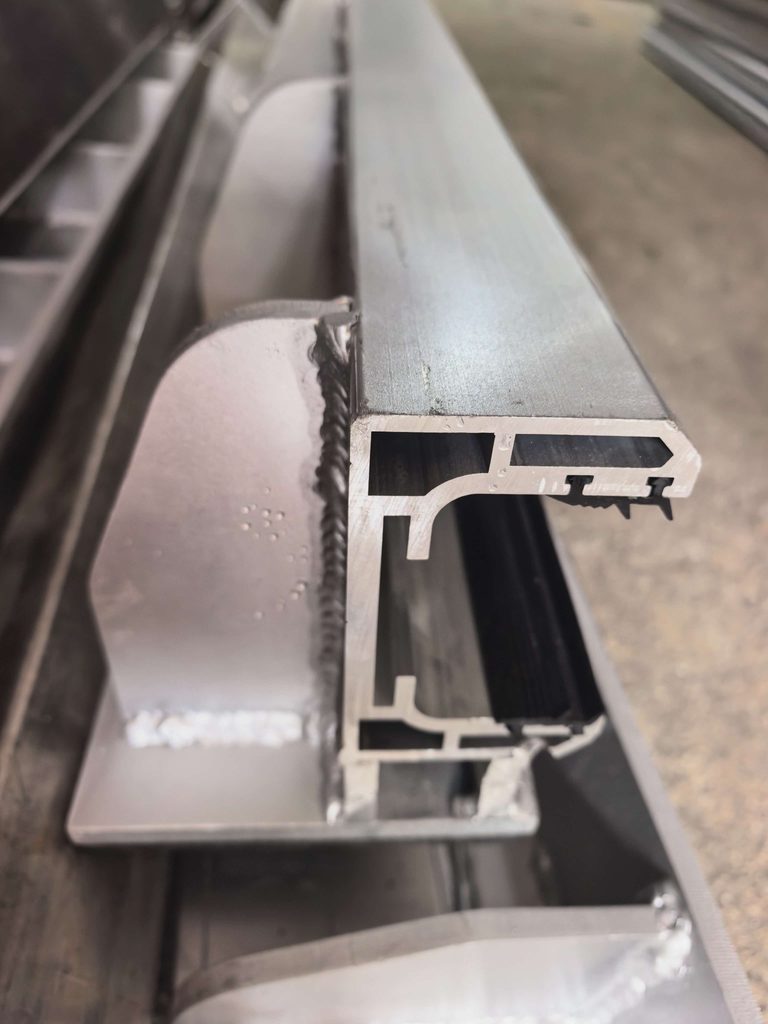
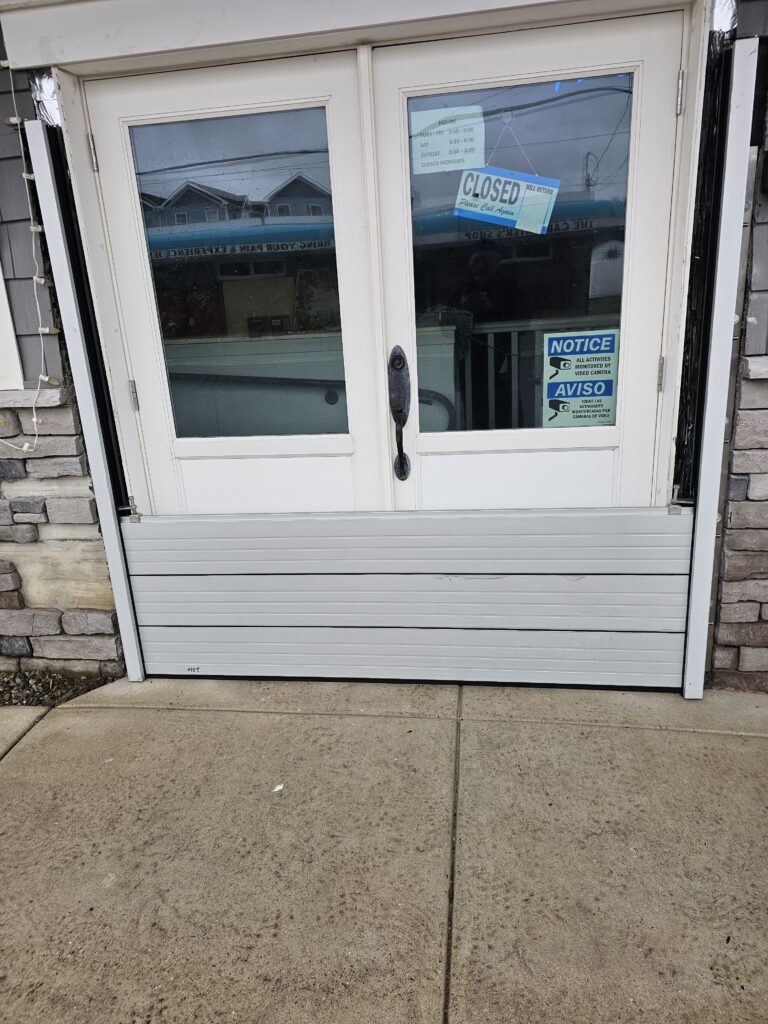
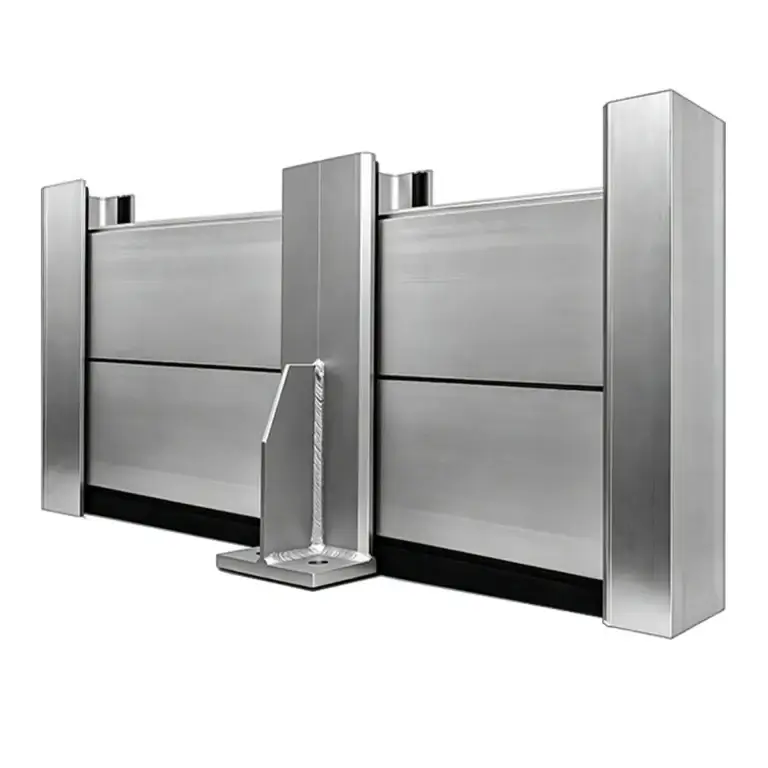
– **Stackable Flood Walls**: Modular walls that can be assembled as needed to protect critical areas.
– **Temporary Flood Gates**: Installed in urban areas to block water during flood events.
—
### 4. **Underground Water Storage**
– **Retention Tanks and Tunnels**: Store excess stormwater underground and release it gradually to prevent flooding.
– **Sponge Cities**: Urban designs that prioritize water absorption and storage, inspired by China’s Sponge City Initiative.
—
### 5. **Floating and Amphibious Architecture**
– **Floating Homes and Buildings**: Structures designed to rise with floodwaters, reducing damage.
– **Amphibious Foundations**: Buildings on buoyant foundations that float during floods but remain grounded otherwise.
—
### 6. **Urban Waterways and Floodplains**
– **Daylighting Rivers**: Restoring buried rivers and streams to their natural state to improve water flow.
– **Floodplain Restoration**: Reconnecting rivers to their natural floodplains to absorb excess water.
—
### 7. **Community-Based Solutions**
– **Citizen Science Initiatives**: Engage residents in monitoring and reporting flood risks.
– **Flood-Resilient Housing**: Promote the use of flood-resistant materials and designs in vulnerable areas.
—
### 8. **Policy and Planning Innovations**
– **Zoning Regulations**: Restrict construction in high-risk flood zones.
– **Incentives for Resilience**: Provide tax breaks or subsidies for property owners who adopt flood-resistant measures.
– **Integrated Water Management**: Coordinate flood protection with other urban planning efforts.
—
### 9. **Nature-Based Solutions**
– **Wetland Restoration**: Wetlands act as natural sponges, absorbing and slowing floodwaters.
– **Mangrove Planting**: Coastal cities can use mangroves to reduce storm surges and erosion.
—
### 10. **Advanced Engineering Solutions**
– **Stormwater Tunnels**: Large-scale tunnels to divert floodwaters away from urban centers.
– **Flood Diversion Channels**: Redirect excess water to less vulnerable areas.
– **Pump Stations**: Install high-capacity pumps to remove water from flooded areas quickly.
—
### 11. **Public Awareness and Education**
– **Flood Preparedness Campaigns**: Educate residents on flood risks and response strategies.
– **Community Drills**: Conduct regular flood response exercises to improve readiness.
—
### 12. **Climate-Resilient Urban Design**
– **Elevated Infrastructure**: Raise critical infrastructure (e.g., roads, utilities) above flood levels.
– **Urban Heat Island Mitigation**: Reduce heat absorption in cities, which can exacerbate extreme weather events.
—
By combining these innovative solutions, urban areas can better adapt to the growing threat of flooding, protect lives and property, and build sustainable, resilient communities.
Continue your research
Related flood protection reading.
Read a connected guide, comparison or project insight before choosing a protection route.
Get a custom recommendation
Tell us about the opening you need to protect.
Share the opening type, clear width, target flood height and photos. The team will review the details before recommending a configuration.