
FLOOD BARRIERS & DRAINAGE
Flood Barriers and Sewer Backflow: Can Water Still Enter?
A doorway barrier addresses surface water. Sewer backup can still reach low fixtures through connected pipes. Review both routes before ordering a barrier.
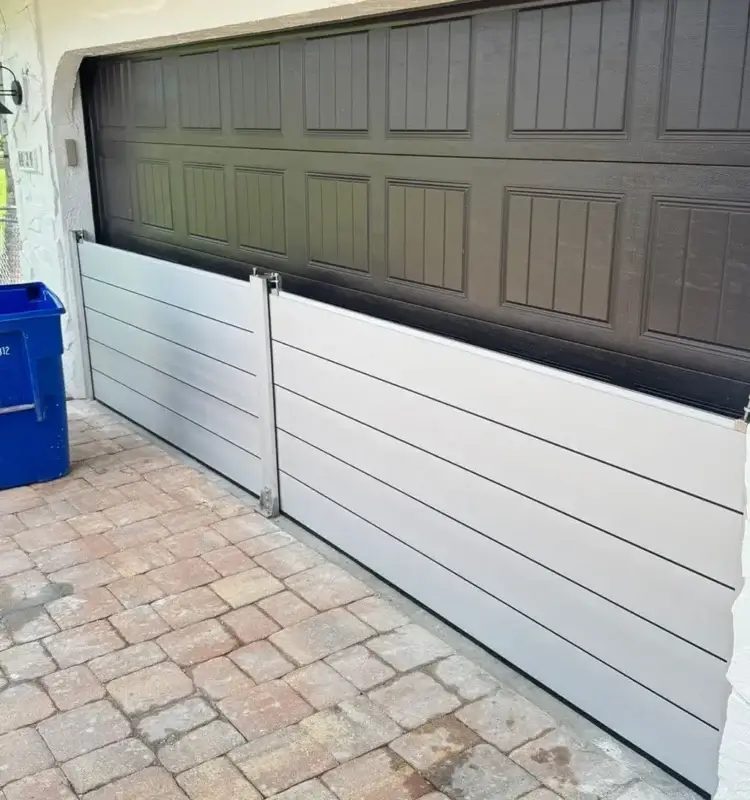
Yes. Water can still enter through connected floor drains, toilets or other low fixtures after flood blocking barriers are installed at a doorway. An entrance barrier addresses surface water at that opening; it does not isolate the building’s sewer connection. Sewer backup, groundwater seepage and water collecting inside the protected area need their own assessment.
The same concern appears in a public homeowner discussion: a participant planning to protect three doors asked whether water could still rise through the bathrooms. This is a public discussion, not an Eudore customer record. The technical guidance below comes from public agencies, rather than the thread’s unverified advice.
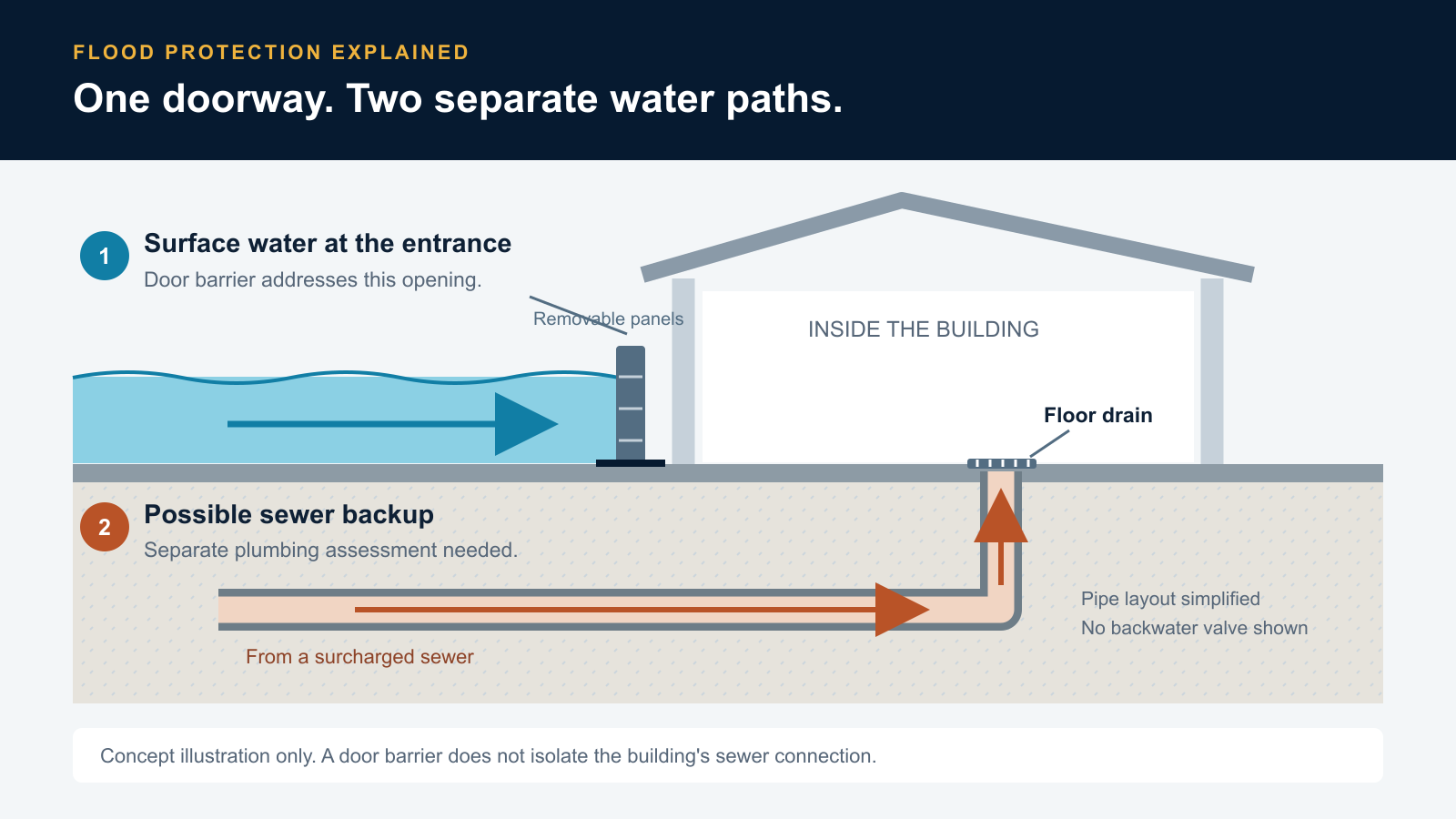
What do flood blocking barriers protect?
A door or garage flood barrier addresses surface water at the opening where it is installed. It does not seal the surrounding walls, foundation or underground drainage. The same storm can affect several routes at once, so identify where water first entered before deciding what protection to buy.
New York City’s Department of Environmental Protection separates these measures in its Rainfall Ready homeowner guide: barriers can protect vulnerable openings, while a backwater valve addresses water backing up through plumbing fixtures. These are complementary jobs.
| Water path | What to assess | Role of a door barrier |
|---|---|---|
| Surface water reaching an entrance | A suitable barrier, opening dimensions, mounting surfaces and protection height. | Addresses water at the protected opening within the installed system’s limits. |
| Water backing up through connected fixtures | Sewer connection, lowest fixtures and suitable backwater protection with a plumber. | Does not close an underground sewer pipe. |
| Water entering through walls or the floor | The building envelope, foundation and groundwater conditions. | Does not waterproof the surrounding structure. |
| Water collecting inside the protected area | Where it comes from and whether there is a safe drainage or pumping route. | Does not remove collected water. |
How can sewer backflow bypass a door flood barrier?
When a sewer is surcharged, flow can reverse toward connected properties. Low fixtures can become outlets for that water. A barrier fixed across a door has no connection to the wastewater pipe below it.
The National Weather Service’s flood-preparation guidance includes sewer check valves as a separate precaution against backup. The practical implication is to ask about both the entrance and the drainage connection before ordering an opening-specific barrier.
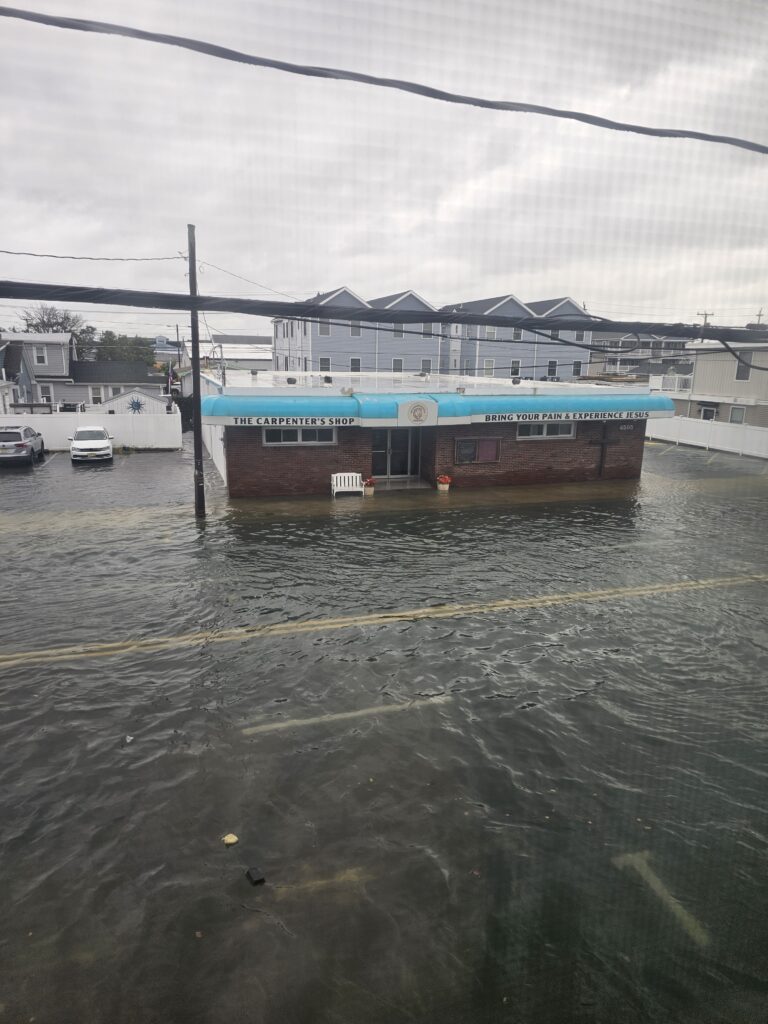
For example, a shop owner may protect a front entrance but also have a low bathroom or utility-room drain. The entrance measurement alone cannot tell the supplier how that drain connects to the sewer. A plumber’s assessment fills a different information gap from a barrier configuration review. This is an illustrative planning example, not a reported customer installation.
How do backwater valves and flood panels work together?
Flood panels address a building opening; a suitable backwater valve addresses reverse flow through a drainage connection. Neither measure replaces the other. Not every property needs the same valve arrangement: a licensed plumber should assess the connection, fixtures at risk, valve location, servicing access and local requirements. A device protecting the drinking-water supply should not be assumed to protect the wastewater drain.
FEMA’s Homeowner’s Guide to Retrofitting, Chapter 8 discusses different backflow-valve arrangements and notes that plumbing modifications are subject to local codes. It also explains that debris can prevent a check valve from closing, making inspection and cleaning part of the protection plan.
There is an operational tradeoff too. As explained in NYC DEP’s sewer-backup assessment, a closed backwater valve can restrict wastewater leaving the home as well as water coming in. Continued use of connected fixtures may then create an internal backup. The occupants need instructions for their actual system, including which fixtures are affected and how they can tell whether the valve has closed.
What if the property uses a septic system?
Describe it as a septic system when seeking advice. Do not assume the same pipe arrangement or failure mechanism as a connection to a municipal sewer. Flooded or saturated soil can affect the system’s ability to receive wastewater.
The EPA’s guidance for flooded septic systems advises avoiding use where possible while the ground is flooded or saturated. It also cautions against opening a tank for pumping while the soil remains saturated. Ask a qualified septic professional about the property; adding an entrance barrier does not restore a flooded drainfield.
Do I still need drainage or a sump pump?
That depends on the water that may collect inside and where it can safely go. A sump pump removes collected water; it does not replace an entrance barrier or a sewer-backup device. The pump’s collection point, discharge route, power and maintenance need a site-specific plan.
Ready.gov’s flood guidance includes clearing drains and gutters, installing check valves and considering a battery-backed sump pump among preparation measures. It also prioritizes evacuation when officials instruct people to leave. Barrier deployment should fit around a safe exit plan.

What should I prepare before ordering a flood barrier?
Prepare separate information for the opening review and the plumbing review. Ordering flood panels alone does not establish drain-backup prevention. Give the supplier opening measurements and photographs, and ask a plumber to assess the connected drains and fixtures.
For the barrier supplier
- The clear opening width and proposed protection height, with the measurement reference explained.
- Clear photographs of both jambs, the threshold, floor surface and approach to the opening.
- The type of opening: garage, home entrance, storefront or another access point.
- Any drains visible near or inside the proposed barrier line.
- How normal access works and who would deploy and remove the panels.
For the plumber or site assessor
- Whether the property connects to a public sewer or uses a septic system.
- Where water first appeared during previous events: under the door, from a fixture, or at the floor or wall.
- The location of low fixtures and any existing backwater valves or pumps.
- What inspection, maintenance and operating instructions already exist.
For opening preparation, read our garage flood-protection guide and guide to choosing flood-barrier height. Keep a reported water level, the height selected for an order and a tested system rating distinct.
Where does an Eudore barrier fit into this plan?
Eudore’s custom aluminum flood barriers for garages, homes and businesses are configured for building openings. Send the dimensions and site photographs for that configuration discussion, and identify nearby drains at the same time.
An opening review is not a plumbing inspection or a certification that the whole property is floodproof. Resolving those boundaries before purchase gives you a clearer scope: what the barrier covers, what needs separate attention, and what information is still missing.
Frequently asked questions
Does a flood barrier stop water coming up through a floor drain?
An entrance barrier does not isolate a connected floor drain. Have the drain’s destination and backup risk checked separately before selecting a protection measure.
Does a backwater valve replace a flood barrier?
No. The valve addresses a drainage connection; the barrier addresses a building opening. Decide which measures are relevant from the property’s water-entry paths.
If the floor is wet behind a barrier, has the barrier failed?
A wet floor alone does not identify the entry point. Record observations safely and have the opening, connected fixtures and surrounding structure assessed. Do not enter a flooded space to diagnose it.
Can I assume a floor drain will carry away water behind the panels?
No. Its connection and ability to discharge during the same flood event need checking. A drain that normally works may not provide the same drainage conditions during a storm.
Continue your research
Related flood protection reading.
Read a connected guide, comparison or project insight before choosing a protection route.
Get a custom recommendation
Tell us about the opening you need to protect.
Share the opening type, clear width, target flood height and photos. The team will review the details before recommending a configuration.